
category: Computer SSD SSD
view:
time: 2025-11-05 17:34:56


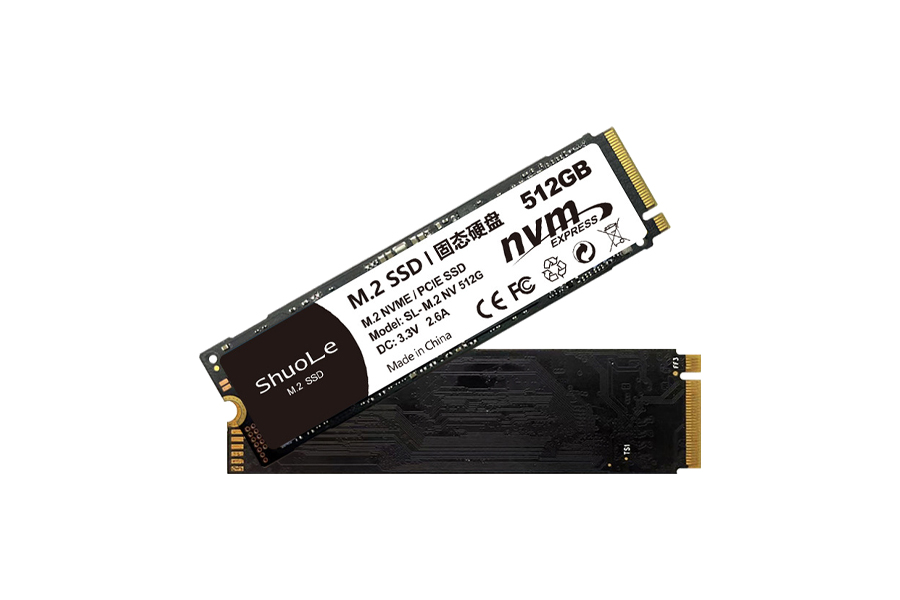
Interface and protocol: The mainstream is NVMe (with PCIe 3.0/4.0, speed 2100-7300MB/s), and the entry-level model is SATA protocol (speed ≤560MB/s). Both are in M.2 interface form.
Physical dimensions: Commonly 2280 (22mm wide × 80mm long), and there are also specifications such as 2242 and 2230 to adapt to different equipment Spaces.
Capacity range: 500GB-2TB is the mainstream, while 1TB/2TB models balance cost performance and storage requirements.
Flash memory type: 3D TLC flash memory is mostly adopted, balancing performance and durability.
Warranty period: Mainstream products come with a 5-year warranty to meet the daily service life requirements.
M.2 is the ultra-small storage interface standard (formerly known as NGFF), which can be directly plugged into the M.2 slot on the motherboard without the need for traditional cables. It focuses on being thin, light, compact and having high performance. According to the transmission protocol, it can be divided into two categories: The NVMe protocol directly connects to the CPU through the PCIe channel, and its speed far exceeds that of traditional hard disks. The SATA protocol is an entry-level option, with a speed close to that of a 2.5-inch SATA SSD. It is compatible with mainstream desktops, thin and light laptops, mini consoles and game consoles after 2015, and is the mainstream solution for device storage upgrade
Previous: Outdoor power banks are portable


